hit tracker

Top Ad 728x90

Monday, August 24, 2026

Everyone Should Unplug This Kitchen Appliance Before Going to Sleep to Prevent a Fire

by


The kitchen is one of the most appliance-filled areas in a home, and some of those appliances can pose serious safety risks. Among them, there is one common item that should always be unplugged before going to bed or leaving the house.

A Kitchen Appliance That Puts Your Safety at Risk

From coffee machines and kettles to ovens, refrigerators, and even clothes dryers, the kitchen is full of essential appliances. However, some of them can be more dangerous than you might expect.

One such appliance is the toaster. Found in nearly every kitchen, the toaster is convenient and easy to use—perfect for preparing a quick breakfast or snack. But despite its simplicity, it can pose a serious safety hazard.

Why the Toaster Is a Fire Risk

When in use, a toaster’s heating elements reach very high temperatures. Over time, crumbs often accumulate inside the appliance. If not cleaned regularly, these crumbs can catch fire when exposed to high heat.

This risk becomes even more serious if a fire starts at night while everyone is asleep. In addition, leaving your toaster plugged in can increase the risk of electrical problems, such as short circuits—another common cause of household fires.

Essential Recommendations


see continuation on next page

Essential Recommendations

Appliances that remain plugged in can still draw electricity even when they are not in use. This “phantom energy” consumption not only increases your energy bill but can also contribute to electrical overload if many appliances are plugged in at the same time.

One of the easiest and most effective ways to reduce these risks is to unplug your toaster after every use.

Doing so can:

  • Help prevent potential fires

  • Reduce the risk of electrical overload

  • Save energy and lower electricity bills

  • Minimize the chance of accidents in the kitchen

Additionally, always make sure to insert bread or other food items that properly fit the toaster slots to avoid jamming or overheating.

Final Tip

In short, unplugging your toaster after each use is a small habit that can make a big difference in protecting your home and saving energy.

Why You Should Never Charge Your Phone Overnight

by


Why You Should Never Charge Your Phone Overnight

For years, many of us have had the same habit: plug the phone in before going to bed, place it on the nightstand, and forget about it until morning.

It seems completely harmless.

After all, modern smartphones are designed to manage charging automatically. But there are a few reasons why leaving your phone plugged in all night may not be the best habit—especially if you do it every single night.

1. Your Phone Can Get Hot

One of the biggest concerns is heat.

When a phone is charging, especially when it is being used at the same time, it can become warmer. Keeping it plugged in for hours while covered by a blanket, placed under a pillow, or sitting in a poorly ventilated area can make the problem worse.

Heat is one of the things that lithium-ion batteries don’t particularly like.

That doesn’t mean your phone is automatically dangerous every time you charge it overnight. Modern phones have built-in protections. But keeping a device unnecessarily warm for long periods isn’t ideal for the battery.

2. Your Battery May Age Faster

There’s another reason people are changing the way they charge their phones: battery health.

Lithium-ion batteries naturally lose capacity over time. How often you charge your phone, how deeply you discharge it, and how much heat it experiences can all affect how quickly the battery ages.

Modern phones often use optimized charging features that reduce the amount of time the battery stays at a very high charge level.

But if your phone doesn’t have those features—or they’re turned off—leaving it at 100% for long periods isn’t necessarily the best routine for long-term battery health.

3. Where You Charge It Matters

This is something many people don’t think about.

Charging your phone on a hard, open surface is very different from charging it underneath a pillow or buried in bedding.

If you’re going to charge your phone overnight, keep it somewhere cool, dry, and uncovered, where air can circulate around it.

And always use a good-quality charger and cable that are compatible with your device.

our Phone May Already Have a Better Solution

The good news is that you don’t necessarily have to stop charging your phone overnight.

Many newer smartphones include battery-management features designed to reduce unnecessary time spent at a full charge.

Look through your phone’s battery settings and check whether it has an optimized charging, adaptive charging, or charge limit option.

These features can help reduce battery wear without requiring you to wake up in the middle of the night and unplug your phone manually.

5. The Simple Habit That Can Help

If you want your phone battery to last longer, focus less on finding a perfect charging percentage and more on avoiding excessive heat and unnecessary stress.

Don’t charge your phone under your pillow.

Don’t use damaged cables or chargers.

Keep the phone ventilated while charging.

And if your phone offers battery-health or optimized-charging features, consider turning them on.

The Bottom Line

Charging your phone overnight isn’t automatically dangerous, and modern smartphones are built with protections to manage charging.

However, heat, poor ventilation, damaged charging equipment, and spending long periods at a very high charge level can contribute to battery wear.

So if you’ve always plugged your phone in and tossed it under your pillow before going to sleep, there’s one habit worth changing tonight:

Keep your phone uncovered and somewhere with good airflow while it charges.

Your battery may thank you late

Look at the last number of your birth year and discover your hidden karma

by


Have you ever wondered if numbers can reveal something about your personality or the lessons you’ve come to learn in this life?

For centuries, various spiritual traditions and numerology schools have maintained that numbers contain symbolic energies capable of reflecting profound aspects of our character and our personal path.

According to this intriguing interpretation, the last digit of your birth year could be related to your so-called “hidden karma”: those strengths, challenges, and lessons that will shape your journey through life.

Find the last number of your birth year and discover what it says about you.

If your number is 0
Karma of Wisdom

You have come to learn to trust your intuition.

You tend to observe more than you speak and possess a great capacity for understanding others.

Your lesson: share your knowledge without isolating yourself from the world.


The Secret Code on Your Bath Towels: What Those Lines Actually Mean (And Why They Matter!)

by


You’ve seen them before. Maybe you didn’t think much of it at the time.

Those subtle (or not-so-subtle) lines, stripes, or bands woven into the edges of your bath towels.

Are they just decorative? A sign of quality? A hidden message from the manufacturer? Or maybe… a secret code only towel insiders understand?

If you’ve ever folded your laundry and wondered, “What’s up with those stripes?”—you’re in the right place. Because those lines aren’t random. They’re intentional. And once you know what they mean, you’ll never look at your towel rack the same way again.

Let’s unravel the mystery—together.


🧵 The Short Answer: Most Lines Are Decorative (But Not Always!)

First, the reassuring truth: in most modern towels, those lines are purely aesthetic.

Brands add stripes, borders, or woven patterns to:

✨ Create visual interest and match bathroom decor.

✨ Differentiate product lines (basic vs. premium).

✨ Hide seams or reinforce edges subtly.

✨ Follow current design trends (hello, minimalist stripes!).

But—and this is a fun but—some lines do serve a purpose beyond looking pretty. In the world of textiles, weaving techniques can tell you a lot about durability, absorbency, and even the age of the towel. Let’s dive deeper into the four types of towel lines and what they really signal.


🔍 The 4 Types of Towel Lines (And What They Really Signal)

1. The Dobby Border: Quality’s Quiet Signature

If you see a narrow, textured band (often geometric or honeycomb-patterned) near the edge of the towel, you’re looking at a Dobby border.

What it means: This isn’t just printed on; it’s woven using a special attachment on the loom called a “dobby head.” This technique allows for intricate, small-scale patterns that standard jacquard looms can’t easily handle.

Why it matters: Dobby borders are often found on higher-quality towels. They add structural integrity to the edge, preventing fraying, and signal that the manufacturer invested in more complex weaving technology. If you see a dobby border, you’re likely holding a mid-to-high-tier towel.


For Complete Cooking STEPS Please Head On Over To Next Page Or Open button (>)


For Complete Cooking STEPS Please Head On Over To Next Page Or Open button (>)


Next »

Look closely at the very edge. Do you see tiny, evenly spaced holes or a ladder-like pattern where the fabric seems to be pulled together? That’s a hemstitch.

What it means: This is a classic finishing technique where groups of threads are drawn together and bound. It’s traditional, elegant, and often associated with luxury linens.

Why it matters: Hemstitching is labor-intensive. It’s a sign of craftsmanship. However, it can be delicate. If you’re rough with your laundry (looking at you, heavy-duty cycle enthusiasts), hemstitched edges may snag or unravel faster than a simple folded hem. It’s beautiful, but it requires gentle care.


3. The Solid Band: The Modern Minimalist

Many contemporary towels feature a solid, wide band of color at the ends, distinct from the main body of the towel.

What it means: This is usually a design choice driven by trends. Think spa-like aesthetics, hotels, or modern home decor.

Why it matters: While mostly aesthetic, these bands can sometimes indicate a change in weave density. Manufacturers might use a tighter weave for the band to create a crisp contrast. Be aware: if the band is made of a different material (like cotton vs. polyester blend), it might dry at a different rate than the rest of the towel, leading to slight warping over time.


4. The “No-Line” Edge: The Everyday Workhorse

Some towels have no distinct border at all—just a simple folded-over hem sewn down.

What it means: Efficiency. This is the standard for mass-market, budget-friendly towels.

Why it matters: There’s nothing wrong with this! In fact, these edges are often the most durable because there are no intricate weaves to snag. If you want a towel that can withstand high-heat drying, bleach, and years of heavy use without fuss, the simple hemmed edge is your best friend.


💡 Why Does This Knowledge Matter?

You might be thinking, “Okay, but does knowing about dobby borders change my life?”

Maybe not dramatically, but it does help you become a smarter shopper and a better caretaker of your linens.


1. Assessing Value

When you’re standing in the aisle comparing two white towels—one $10 and one $30—look at the edges. The $30 towel likely has a dobby border or a fine hemstitch. The $10 towel probably has a simple hem. Understanding this helps you decide if the extra cost is worth it for the aesthetic and potential durability.


2. Proper Care Instructions

Hemstitched/Dobby Towels: Wash on gentle cycles. Avoid washing with items that have zippers or hooks (like bras or jeans) that can snag the intricate edges. Air drying or low heat is recommended to preserve the weave.

Simple Hemmed Towels: Throw them in with everything else. High heat? No problem. These are your gym towels, beach towels, and guest bathroom workhorses.


3. Spotting Wear and Tear

Knowing what the edge should look like helps you spot when it’s time to retire a towel. If a dobby border starts pulling apart or a hemstitch unravels, the towel’s structural integrity is compromised. It’s not just ugly; it’s a sign the towel is nearing the end of its life

Big Navel or Small Navel? Here’s How to Pick the Sweetest, Juiciest Oranges Every Time

by


Never Buy Dry Oranges Again—Check This First

Big Navel or Small Navel? Here’s How to Pick the Sweetest, Juiciest Oranges Every Time


Navel Orange Trees: How To Grow Navel Oranges | Gardening Know How


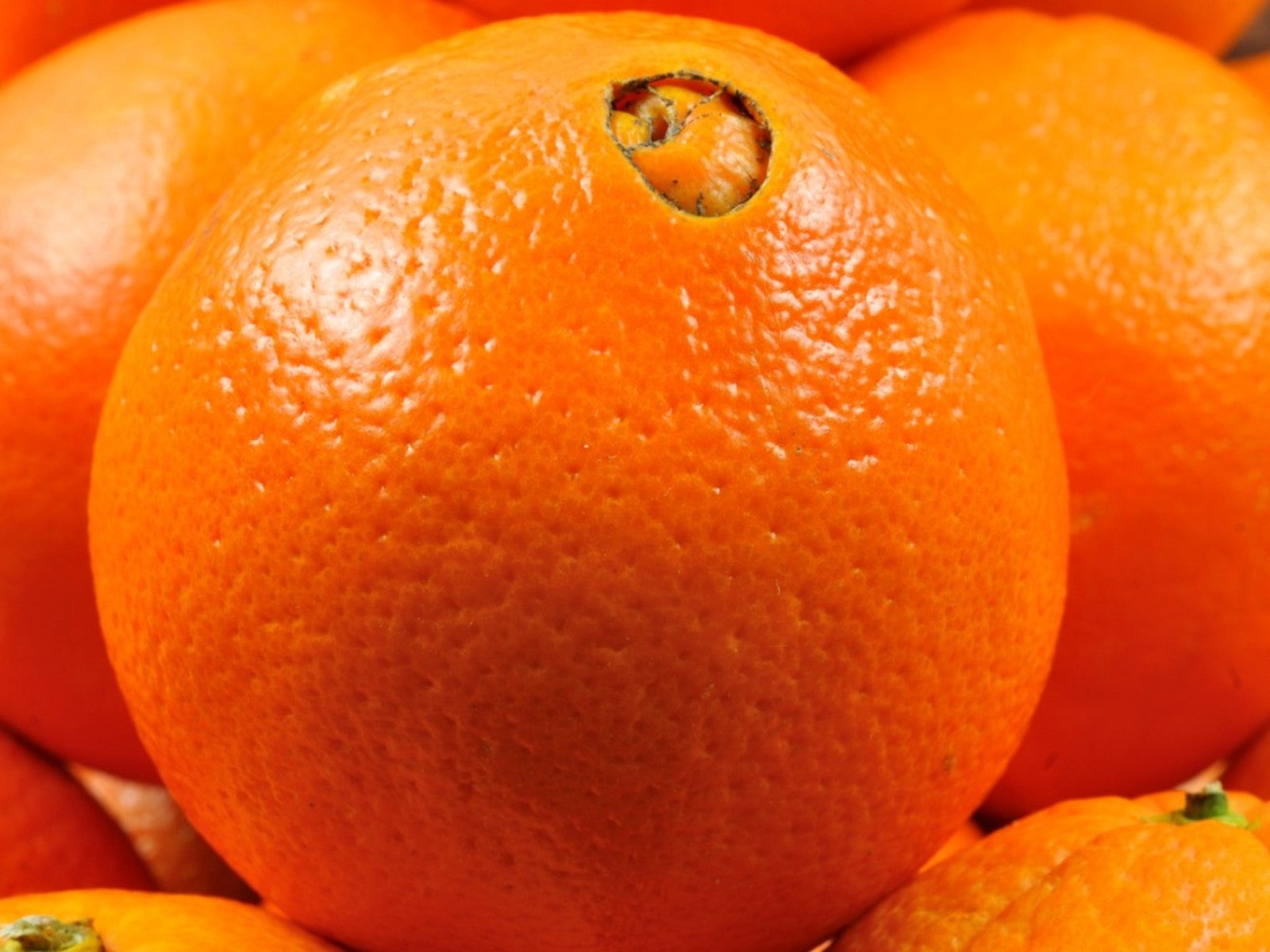
A simple look at an orange’s navel may help you choose sweeter fruit.

Buying oranges may seem simple, but experienced shoppers often pay close attention to one small detail that many people overlook—the “navel” at the bottom of the fruit. According to fruit sellers, the size and appearance of this small circular mark can offer clues about an orange’s taste, juiciness, and overall eating quality.

Although the navel alone cannot guarantee sweetness, it is one of several visual signs that can help you choose better fruit.

Big Navel vs. Small Navel: What’s the Difference?

When examining an orange, turn it over and look at the blossom end, commonly called the “navel.”

Many shoppers believe that oranges with a larger, more open navel are often sweeter, contain more juice, and have a softer texture.

By contrast, oranges with a very small or tightly closed navel are sometimes thought to be less juicy and may taste slightly more acidic. While this isn’t true for every variety, it has become a popular tip among fruit vendors and frequent buyers.

File:Navel orange.jpg - Wikimedia Commons

Don’t Judge by the Navel Alone

The navel is only one indicator. To improve your chances of selecting delicious oranges, consider these additional tips.

1. Look at the Color

Choose oranges with a bright, vibrant orange color. The skin should appear even and healthy without large green patches or dull, dry areas.

2. Pick Round, Firm Fruit

Well-shaped, round oranges are often a good choice. They should feel firm but not rock hard. Avoid fruit with deep wrinkles, soft spots, or obvious damage.

3. Feel the Weight

One of the easiest tricks is to compare oranges of similar size.

A heavier orange usually contains more juice because it has a higher water content. Lightweight fruit may have dried out during storage and could be less flavorful.

4. Check the Skin


The Bottle Drying Rack: The Simple Kitchen Invention We Almost Forgot

by


It was a remarkably simple solution to an everyday problem.

A Small Object With a Practical Purpose

Today, many people might mistake an old bottle rack for an unusual decorative object.

But its design reveals exactly what it was made to do.

The upright supports were positioned to hold bottles at an angle or upside down.

The base provided stability.

And the spaces between the supports allowed air to move freely.

There was no complicated mechanism.

Just thoughtful design.

Before Modern Kitchen Convenience

Older kitchens often depended on tools that were built to last.

People washed and reused glass bottles, jars, and containers instead of simply throwing them away.

That made proper drying particularly important.

A bottle rack could therefore become a regular part of the kitchen routine.

After washing, bottles could be placed on the rack and left to drain naturally.

Once dry, they were ready to be used again.

Why These Objects Feel So Nostalgic

The fascinating thing about vintage kitchen tools is that they tell us something about everyday life.

A bottle drying rack wasn’t a luxury.

It wasn’t something people bought to impress guests.

It was simply a useful object that solved a small household problem.

10 Everyday Kitchen Items You Should Never Put in the Microwave (And What to Do Instead)

by


Most people use their microwave every single day without thinking twice. It’s one of the most convenient appliances in the kitchen—but using it the wrong way can ruin your cookware, damage your appliance, or even create a serious safety hazard.

Some everyday items may seem harmless, yet they can melt, spark, crack, or release harmful chemicals when heated. Here are the first five things you should always keep out of your microwave.

1. Metal Utensils

Metal reflects microwave energy instead of absorbing it. This can create sparks that may damage the microwave or even start a fire.

What to do instead: Use microwave-safe glass, ceramic, or plastic containers labeled as microwave safe.

2. Aluminum Foil

Even a small piece of foil can produce dangerous sparks inside the microwave.

What to do instead: Cover food with a microwave-safe lid or paper towel instead.

3. Styrofoam Containers

Many foam containers are not designed for microwave use. Heat can cause them to melt and release unwanted chemicals into your food.

What to do instead: Transfer food to a microwave-safe dish before reheating.

4. Plastic Containers Without a Microwave-Safe Label

Not every plastic container is safe. Some may warp or release chemicals when exposed to high temperatures.

What to do instead: Always check for a microwave-safe symbol before using plastic containers.

5. Travel Mugs

Many insulated mugs contain metal inside their walls, making them unsafe for microwave heating.

What to do instead: Pour your drink into a ceramic mug before warming

6. Eggs in Their Shell

Heating a whole egg in the microwave creates steam inside the shell. As pressure builds, the egg can explode, making a huge mess and even causing burns when removed.

What to do instead: Crack the egg into a microwave-safe bowl if you plan to cook it in the microwave.


7. Empty Plates or Empty Microwave

Running a microwave with nothing inside can cause the energy to bounce back into the appliance, putting unnecessary stress on the internal components.

What to do instead: Always make sure there’s food or liquid inside before starting a heating cycle.


8. Paper Bags

Unlike microwave-safe paper towels, regular paper bags can overheat, release fumes, or even catch fire during cooking.

What to do instead: Use microwave-safe covers or containers designed for reheating food.


9. Sealed Containers

Steam builds up quickly inside sealed containers. Without a way to escape, pressure can cause the lid to burst open or send hot food splattering everywhere.

What to do instead: Loosen the lid slightly or leave a small vent before heating.


10. Delicate Vintage Dishes

Older dishes with metallic trim or decorative finishes may crack or spark in the microwave. Some antique glazes may also contain materials that aren’t suitable for modern microwave use.

What to do instead: Save vintage dishes for serving and use modern microwave-safe cookware for heating food.


Bonus Tips to Keep Your Microwave Working Like New

  • Wipe the inside after spills to prevent stubborn stains and odors.
  • Cover food while heating to reduce splatters.
  • Heat food in short intervals and stir between cycles for even cooking.
  • Never block the microwave’s ventilation openings.
  • Replace damaged containers that are cracked or warped.

Frequently Asked Questions

Can I microwave glass containers?
Yes, as long as they are labeled microwave-safe and are not cracked or chipped.

Is ceramic safe?
Most plain ceramic dishes are safe, but avoid those with metallic decorations.

Can I microwave frozen food in its original package?
Only if the packaging specifically states that it is microwave-safe.

Why does my microwave make popping noises?
Foods with thick skins or sealed containers can build pressure. Always pierce items like potatoes and vent covered containers.

How often should I clean my microwave?
A quick wipe after daily use and a deeper cleaning once a week helps prevent odors and keeps it performing efficiently.


Final Thought

Your microwave is designed to make everyday cooking easier, but using the wrong items can shorten its lifespan and create unnecessary safety risks. By choosing microwave-safe cookware and following a few simple habits, you’ll protect both your appliance and your kitchen for years to come.

The seed that left hospitals empty because it cures cancer, diabetes, high blood pressure, and poor circulation. I’ll leave the full recipe in the first comment on this post.👇✅

by


Can Avocado Seed, Clove, and Hibiscus Support Everyday Wellness?

Traditional herbal medicine often combines several plants to create beverages that are believed to support overall health. One popular combination includes avocado seed, cloves, and hibiscus flowers—three ingredients widely used in various cultures for their rich antioxidant content and distinctive nutritional properties.


Although this herbal infusion has become popular among people seeking natural wellness options, it is not a cure for diabetes, high blood pressure, high cholesterol, arthritis, or any chronic disease. Instead, it can be enjoyed as part of a healthy lifestyle that includes balanced nutrition, regular exercise, and appropriate medical care.


Let’s explore what each ingredient contributes, how to prepare the tea, and what current scientific evidence suggests.


Why These Three Ingredients Are Combined

Each ingredient provides unique plant compounds that contribute to the beverage’s nutritional profile.


Together they supply:


Polyphenols

Antioxidants

Naturally occurring plant compounds

Dietary fiber (from avocado seed)

Aromatic essential oils

Many of these compounds are currently being studied for their role in supporting overall health.


Avocado Seed

The seed of the avocado contains naturally occurring:


Polyphenols

Flavonoids

Dietary fiber

Antioxidants

Research on avocado seed is still limited, and most studies have been conducted in laboratories or animal models.


Although it has attracted scientific interest, there is not enough evidence to recommend avocado seed as a treatment for any medical condition.


If you choose to use avocado seed, consume it only in moderate amounts and as part of a varied diet.


Cloves

Cloves are the dried flower buds of Syzygium aromaticum.


They contain:


Eugenol

Antioxidants

Polyphenols

Aromatic compounds

Cloves have long been used in cooking and traditional herbal practices.


Their antioxidant content contributes to overall wellness and makes them a flavorful addition to herbal teas.


Hibiscus Flowers

Hibiscus (Hibiscus sabdariffa) is one of the world’s most widely consumed herbal teas.


It naturally contains:


Anthocyanins

Vitamin C

Polyphenols

Organic acids

Research suggests hibiscus tea may help support healthy blood pressure in some adults when consumed regularly as part of an overall healthy lifestyle.


Potential Benefits of This Herbal Tea

1. Rich in Antioxidants

All three ingredients provide antioxidant compounds that help protect cells from oxidative stress.


A diet rich in colorful plant foods supports healthy aging and overall wellness.


2. Supports Heart Health

Hibiscus tea has been studied for its potential role in supporting cardiovascular health, while cloves and avocado seed contribute additional plant-based antioxidants.


These ingredients should complement—not replace—heart-healthy habits.


3. Supports Healthy Digestion

Warm herbal teas are often enjoyed after meals because they may promote digestive comfort.


Cloves have traditionally been used to support normal digestion.


4. Encourages Hydration

Replacing sugary beverages with unsweetened herbal tea is a simple way to improve daily hydration.


Proper hydration supports many aspects of health.


5. Supports Overall Wellness

No single ingredient provides every nutrient the body needs, but a variety of antioxidant-rich herbs can be part of a balanced eating pattern.


Avocado Seed, Clove, and Hibiscus Tea Recipe

Ingredients

1 avocado seed

10 whole cloves

2 tablespoons dried hibiscus flowers

4 cups (1 liter) water

Optional: 1 teaspoon honey

Instructions

Wash the avocado seed thoroughly.

Cut it into small pieces or grate it carefully.

Bring the water to a gentle boil.

Add the avocado seed, cloves, and hibiscus flowers.

Simmer for approximately 10–12 minutes.

Remove from the heat and allow the mixture to steep for another 10 minutes.

Strain before serving.

Add honey if desired.

The finished tea has a deep ruby-red color with a pleasantly tart, spicy flavor.


Suggested Serving

Many people traditionally enjoy:


One cup in the morning.

One cup later in the day if desired.

Moderation is recommended.


Herbal teas should complement a healthy diet rather than replace nutritious meals.


Nutritional Highlights

Ingredient Key Compounds Wellness Support

Avocado seed Polyphenols, fiber Antioxidant support

Cloves Eugenol Antioxidant and aromatic properties

Hibiscus Anthocyanins, vitamin C Supports cardiovascular wellness as part of a healthy lifestyle

Healthy Lifestyle Habits That Make the Biggest Difference

This herbal tea works best alongside evidence-based habits such as:


Eating more vegetables and fruit.

Staying physically active.

Maintaining a healthy body weight.

Drinking enough water.

Limiting highly processed foods.

Getting adequate sleep.

Managing stress.

These habits have much stronger scientific support than any single herbal remedy.


Important Safety Information

Consult your healthcare provider before drinking this tea regularly if you:


Have diabetes.

Have low blood pressure.

Take medications for blood pressure or blood sugar.

Are pregnant or breastfeeding.

Have kidney or liver disease.

Large amounts of cloves or hibiscus may interact with certain medications, and avocado seed has not been extensively studied for long-term safety in humans.


8 Things You Should Never Plug Into a Power Strip (Most People Do #5 Every Day)

by


Might Be Overloading Your Home Without Realizing It

Power strips are one of the most convenient tools in any home. They help us connect multiple devices when wall outlets are limited. But many people assume that if something fits into a power strip, it’s safe to use.

The truth is very different.

Some appliances draw far more electricity than a standard power strip was designed to handle. Plugging them in can cause overheating, damage your electronics, trip your breakers—or in some cases, even start a fire.

According to electrical safety experts, thousands of home electrical fires every year are linked to overloaded outlets and extension devices. Fortunately, avoiding these risks is easier than most people think.

Here are the first four appliances you should always plug directly into a wall outlet.

1. Space Heaters

Portable space heaters consume a large amount of electricity in a short period of time. A standard power strip often isn’t built to safely handle that continuous load.

Using one can cause the strip to overheat, melt, or fail unexpectedly.

2. Microwaves

Microwave ovens require a significant amount of power every time they’re running. Sharing that electrical load with other devices on the same power strip increases the risk of overheating.

For best performance and safety, plug your microwave directly into a dedicated wall outlet.

3. Air Fryers

Air fryers have become one of the most popular kitchen appliances, but they also use a surprisingly high amount of electricity while cooking.

Manufacturers generally recommend plugging them straight into the wall rather than through an extension cord or power strip.

4. Coffee Makers

Many coffee makers contain heating elements that cycle on and off while brewing. That repeated power demand can stress inexpensive power strips over time.

Using a wall outlet helps reduce unnecessary electrical strain.

👉 Continue to the next page to discover the remaining four appliances—including the one that millions of people unknowingly plug into a power strip every single day.This one surprises many homeowners.

Although refrigerators don’t constantly use maximum power, their compressors create powerful startup surges whenever they turn on. Power strips are not designed to handle those repeated surges for years.

6. Toasters

Toasters heat up quickly by drawing a large amount of current in just a few seconds.

Adding that load to a power strip shared with other appliances increases the risk of overheating.

7. Portable Air Conditioners

Portable AC units require substantial electrical power, especially during startup.

Manufacturers almost always recommend plugging them directly into a properly grounded wall outlet.

8. Another Power Strip

Plugging one power strip into another—known as “daisy chaining”—is one of the most dangerous electrical mistakes people make.

It can easily overload the circuit and significantly increase the risk of overheating or electrical fires.

Final Tip

A power strip is perfect for low-power electronics like phone chargers, lamps, computers, or TVs. But high-wattage appliances deserve their own wall outlet.

Taking a few seconds to plug devices into the right place can protect your appliances, lower electrical risks, and help keep your home safer.

Things You Should Never Plug Into A Power Strip

by


Things You Should Never Plug Into A Power Strip


It’s hard to imagine life without electricity, yet we rely on it so much that we often overlook safety. High-wattage devices like air conditioners and toasters can easily overload power strips, creating fire hazards. Always check the capacity of a power strip before plugging in any device.

Here are appliances that should never be plugged into a power strip:

  • ven – Requires a dedicated outlet due to its high power usage.
  • Refrigerator – Needs a separate outlet to handle frequent cycling and energy demands.
  • Heaters – Should be plugged directly into a wall socket because of their extended energy use.
  • Microwave – Needs its own outlet for safety.
  • Coffee Maker – Although it seems low-energy, it consumes a significant amount of power.
  • Toaster – Should be plugged directly into a wall socket to avoid overloading a power strip.
  • Power Strips – Never connect one power strip to another, as this violates safety codes.
  • Electronics (Computer, TV, Router) – Use power strips with built-in surge protection to prevent damage from power surges.